



Acoustic elements
Acoustic elements – stylish solutions for better room acoustics
Acoustic elements are much more than simple sound absorbers. They combine function and design and help to make rooms more acoustically pleasant and visually appealing at the same time. Whether in the living room, home office, children's room or in public areas – acoustic elements improve well-being, concentration and tranquillity.
What do acoustic elements do?
1. Sound absorption – less reverberation, more clarity
Acoustic elements absorb sound waves and reduce disturbing reflections. This reduces reverberation in the room – conversations become clearer and the sound more pleasant.
2. Sound insulation – reduce noise between rooms
Some acoustic elements are made of denser materials or layers that prevent sound from being transmitted through walls or furniture. This is particularly helpful in flats, offices and apartment buildings.
3. Sound control – control sound in a targeted manner
In larger rooms such as studios, music rooms or event venues, acoustic elements help to distribute sound evenly and avoid unpleasant sound peaks.
Where are acoustic elements used?
Acoustic elements are versatile and improve the atmosphere in many environments:
• Offices & conference rooms – for clear communication and less stress
• Nurseries & schools – reduced noise levels, better learning environment
• Living spaces – cosier acoustics, less background noise
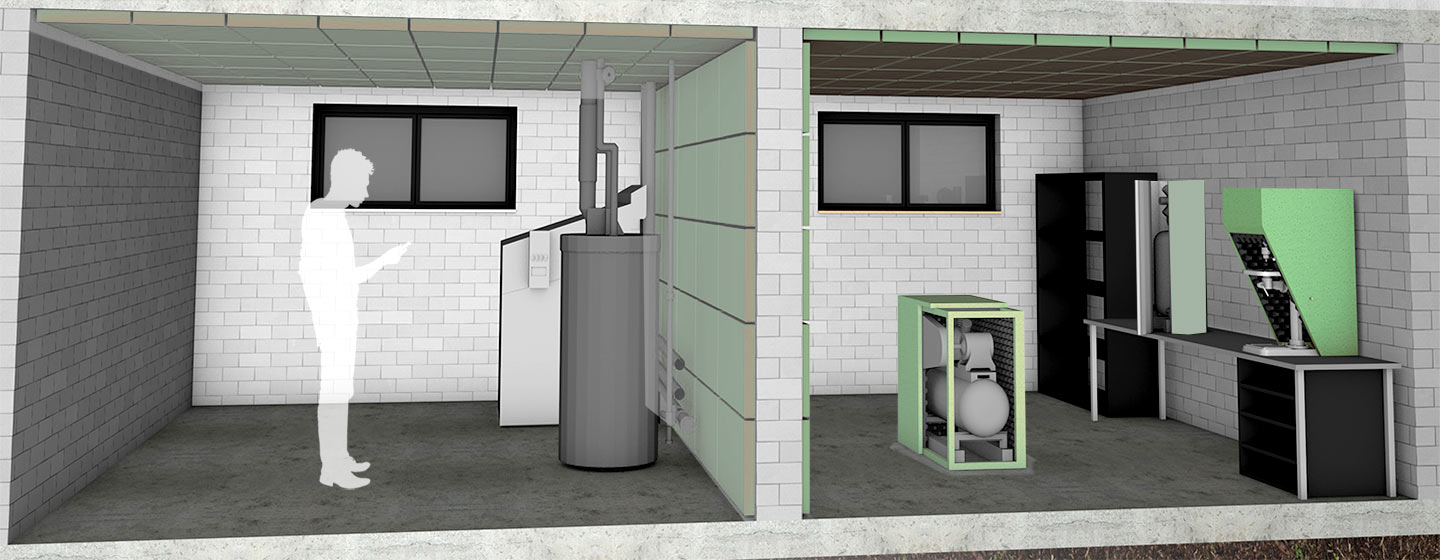
• Industry & mechanical engineering – housing insulation, enclosures, noise reduction
What types of acoustic elements are available?
The source describes various types of materials and designs that are ideal for different rooms:
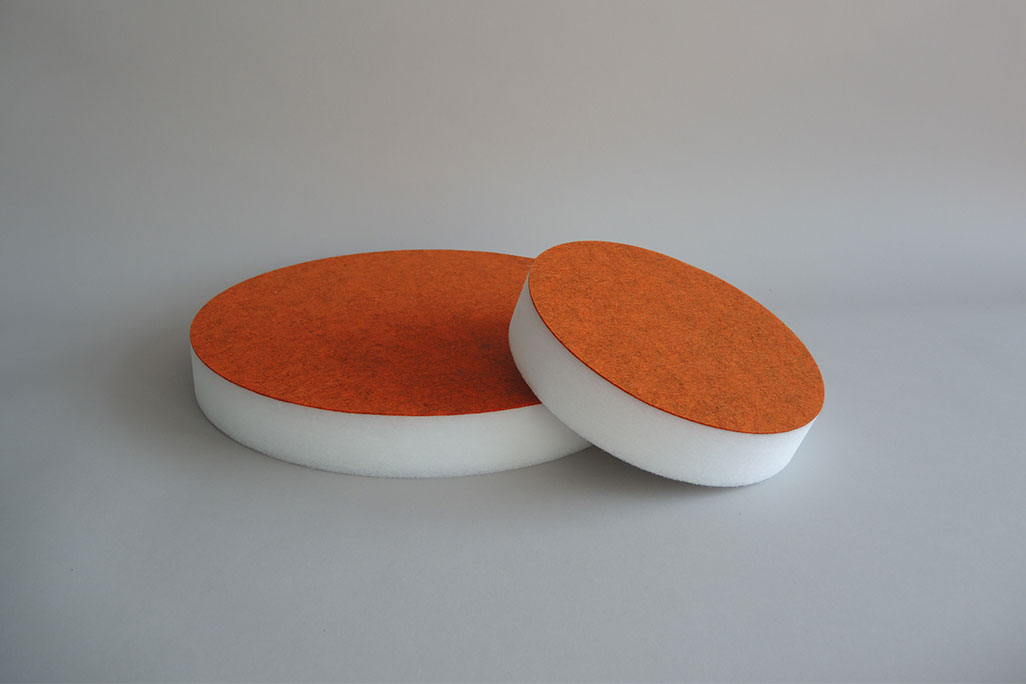
• PU und PE foams – versatile, lightweight & efficient
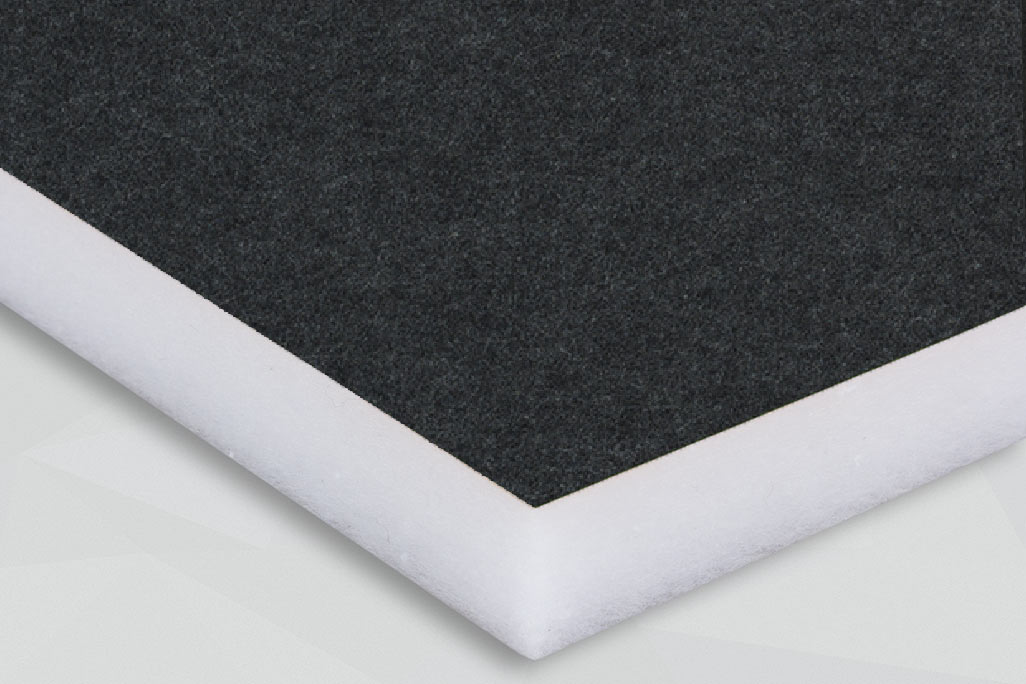
• Melamine foam absorbers – highly effective pore structures for strong sound absorption
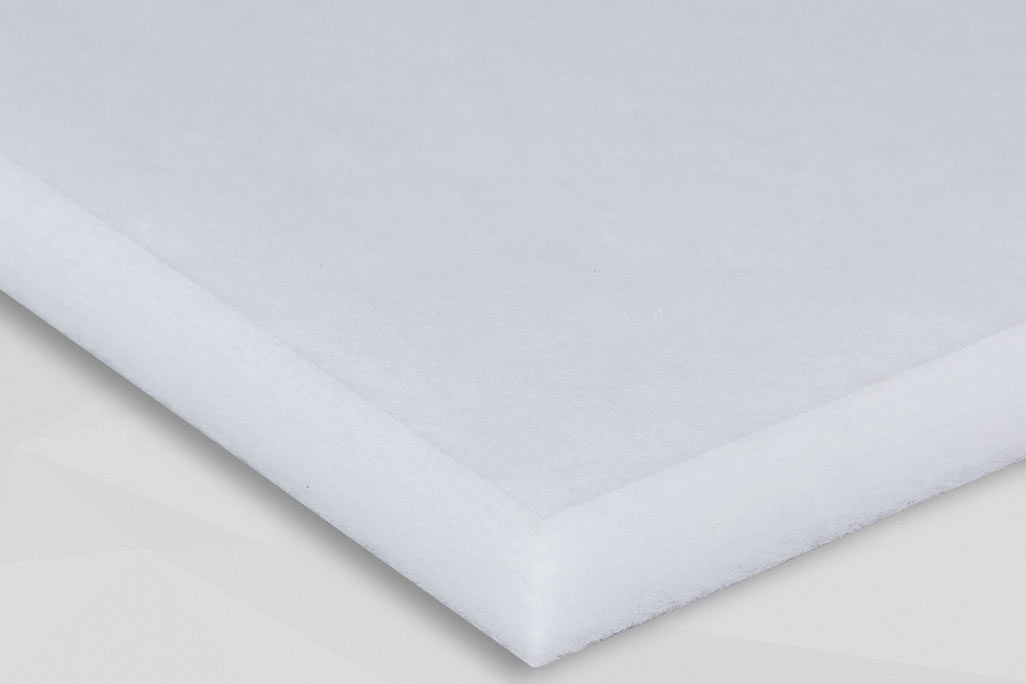
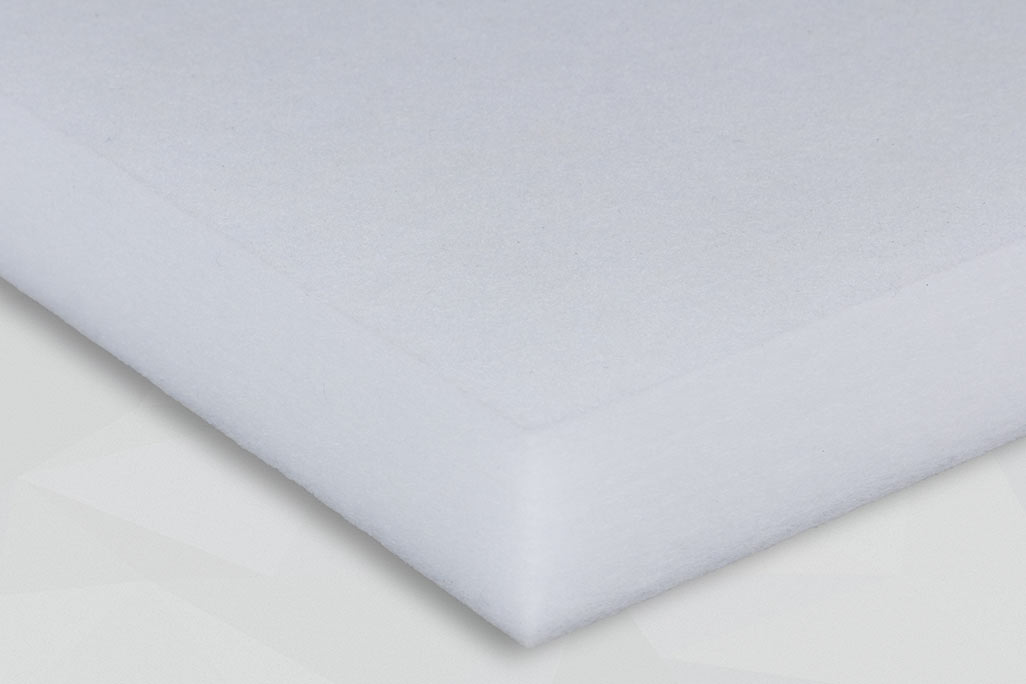
• Acoustic elements made of PES fibres – dimensionally stable, robust and visually appealing
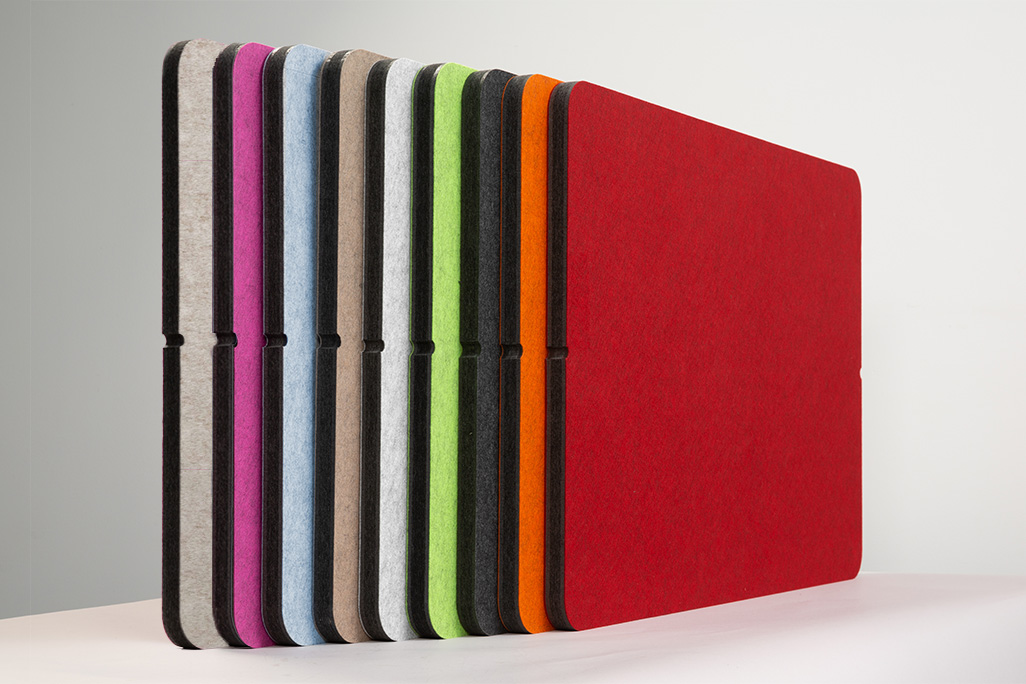
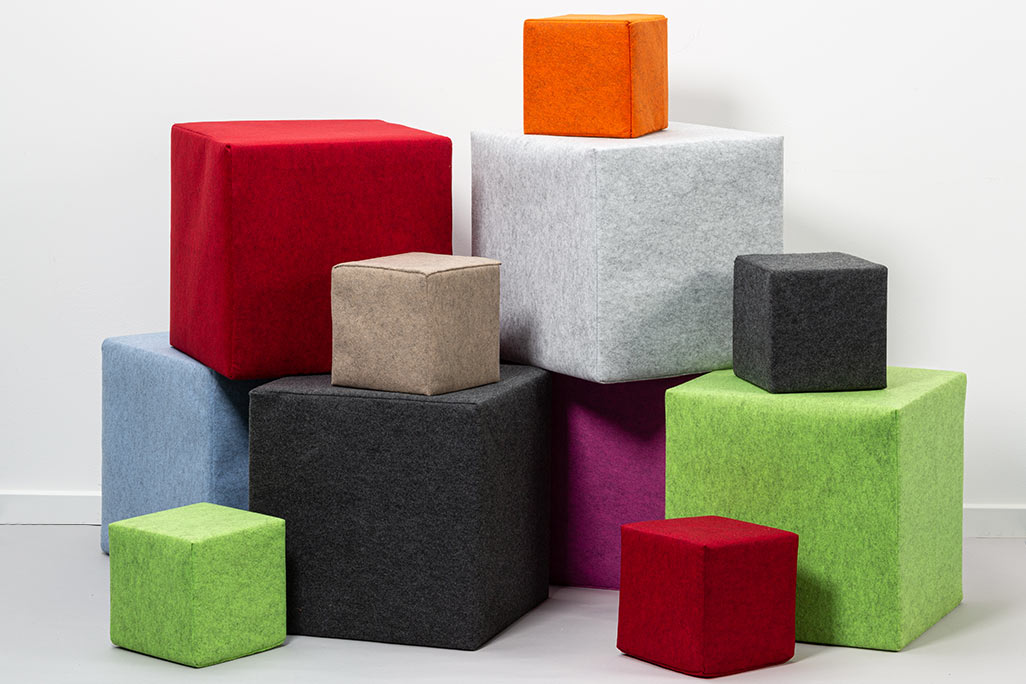
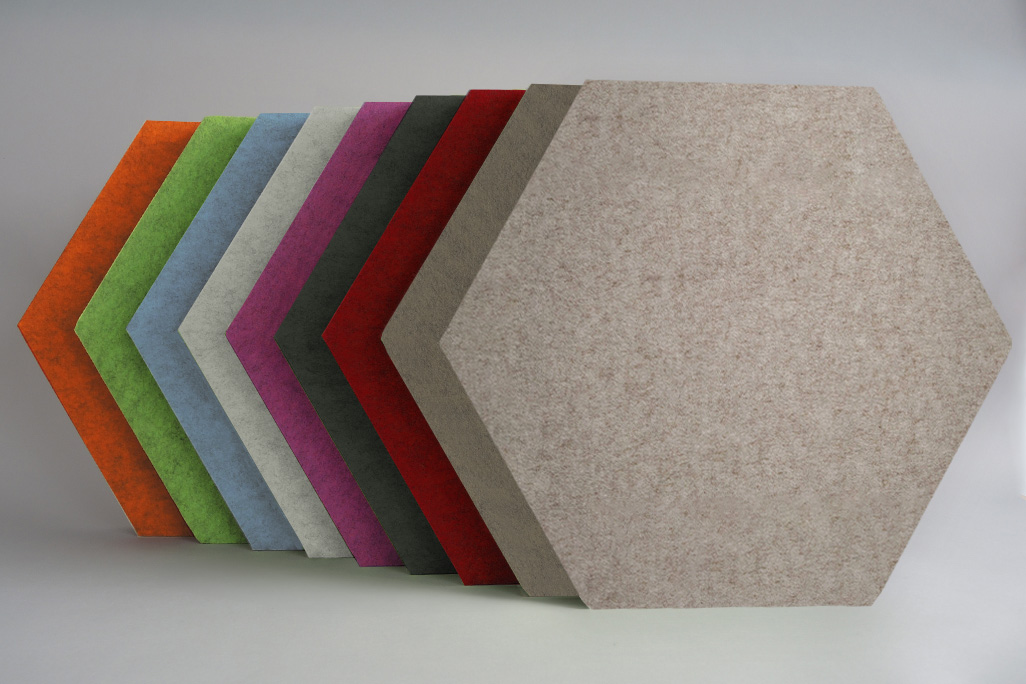
• Panels with decorative or coloured surfaces – ideal for living- & working spaces
Why are acoustic elements so valuable for the home?
✔ They noticeably improve the quality of living
✔ They not only dampen noise, but also increase well-being
✔ They are leasy to install and available in many designs
✔ They are perfect for consciously designing, rooms without renovating
Easy installation for DIY enthusiasts
Most soniflex acoustic elements are designed so that you can install them yourself – without a professional, using mounting adhesive, spray adhesive, Velcro tape or suitable fastening systems for walls and ceilings.
Conclusion
Modern acoustic elements strike the perfect balance between function and design. They reduce noise, improve sound quality and enhance quality of life – whether at work, at play or at school.
Whether for new builds, renovations or simple improvements to room acoustics: acoustic elements make every room more pleasant to listen to.
FAQs about acoustic elements
What do acoustic elements really do?
Acoustic elements reduce reverberation in rooms and create a more pleasant sound atmosphere. Conversations become clearer, disturbing noises are reduced and overall living comfort is noticeably improved – especially in rooms with many smooth surfaces.
Which rooms are acoustic elements suitable for?
Acoustic elements are suitable for almost all living areas. They are particularly helpful in:
• Living rooms with high background noise
• Home offices for concentrated work
• Kitchens and dining areas to reduce reverberation
• Children's rooms to reduce noise
• Music or hobby rooms for better sound
As a general rule, the more reverberant a room is, the greater the effect.
How many acoustic elements do I need?
That depends on the size of the room, its furnishings and the amount of noise it generates. As a rough guide, we recommend covering around 30–50% of the wall or ceiling area with sound-absorbing materials. Even a few strategically placed elements can make a significant improvement.
Do acoustic elements also help against noise from neighbours?
Acoustic elements primarily improve room acoustics by absorbing sound within a room. Additional soundproofing measures are necessary to combat loud external noise or impact sound. Nevertheless, acoustic elements can help to make the overall background noise more pleasant..
Where should acoustic elements be installed?
For the best effect, we recommend installing them on surfaces where sound is particularly strongly reflected:
• opposite seating or work areas
• on large, open walls
• on the ceiling in rooms with high ceilings
• behind loudspeakers or televisions
A combination of wall and ceiling elements often achieves the best results.
Can I install acoustic elements myself?
Yes. Many acoustic elements are designed for easy DIY installation. Depending on the product, they can be attached with mounting adhesive, spray adhesive, Velcro tape or special fastening systems – usually without any prior technical knowledge.
Do acoustic elements look cosy?
Modern acoustic elements combine function with design. They are available in various colours, shapes and finishes – from subtle to decorative. This allows them to be harmoniously integrated into almost any interior design style.
What is the difference between sound insulation and acoustic improvement?
Sound insulation prevents noise from entering or leaving a room. Acoustic elements, on the other hand, optimise the sound within a room by reducing reverberation and echo. For maximum comfort, both measures are often combined.

Obsah: 0.5 m² (2 306,00 Kč* / 1 m²)

Obsah: 0.384 m² (2 414,06 Kč* / 1 m²)
Obsah: 0.5 m² (871,70 Kč* / 1 m²)
Obsah: 0.384 m² (1 255,21 Kč* / 1 m²)
Obsah: 0.5 m² (0,00 Kč* / 1 m²)