


Attenuation/Damping
Damping – What does this mean in sound insulation?
In the field of acoustics and sound insulation,dampingdescribes a material’s ability to effectively reduce, sound and vibrations by converting sound energy into heat, thereby attenuating noise. This not only reduces audible noise but also noticeably reduces unwanted vibrations (structure-borne sound).
How does sound absorption work?
Sound propagates in two ways:
• Airborne sound: sound waves that travel through the air (e.g. voices, music)
• Structure-borne sound: vibrations that travel through solid structures (e.g. machine vibrations)
Sound absorption uses open, porous materials that absorb the sound energy and convert it into heat. This attenuates the sound and reduces the noise level.
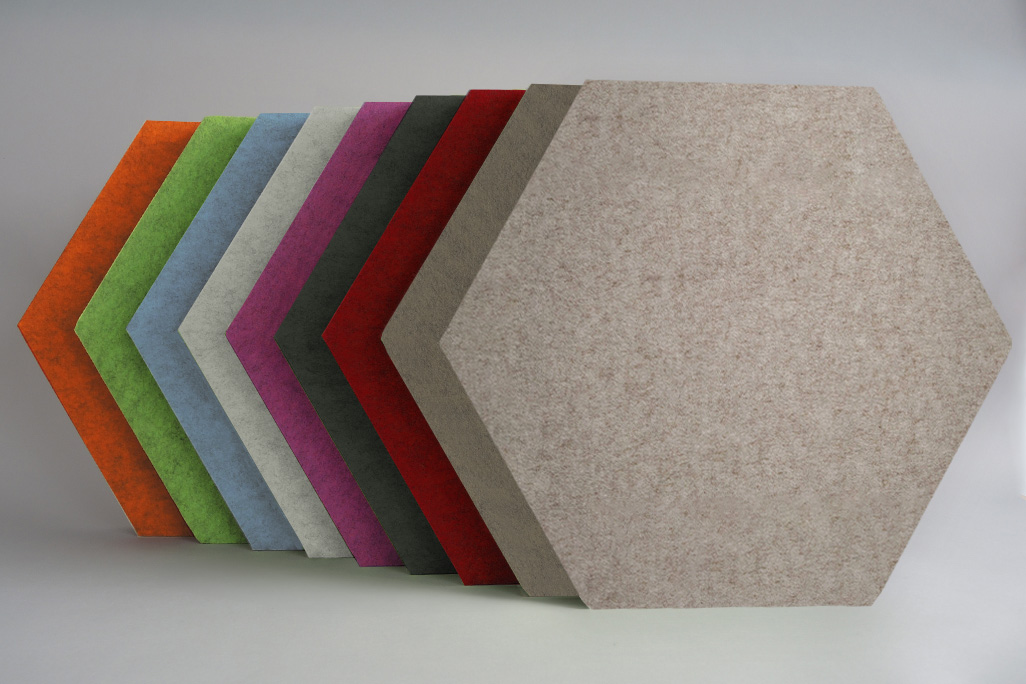
Popular sound-absorbing materials at soniflex
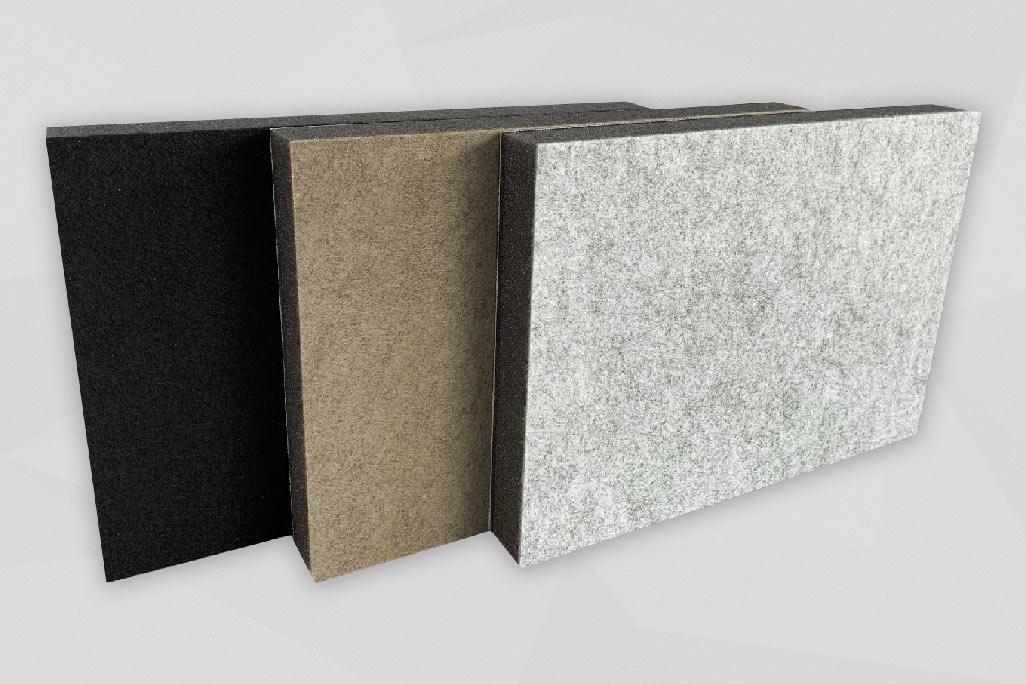
To reduce noise and unwanted vibrations, we at soniflex offer a range of materials, each with its own specific advantages:
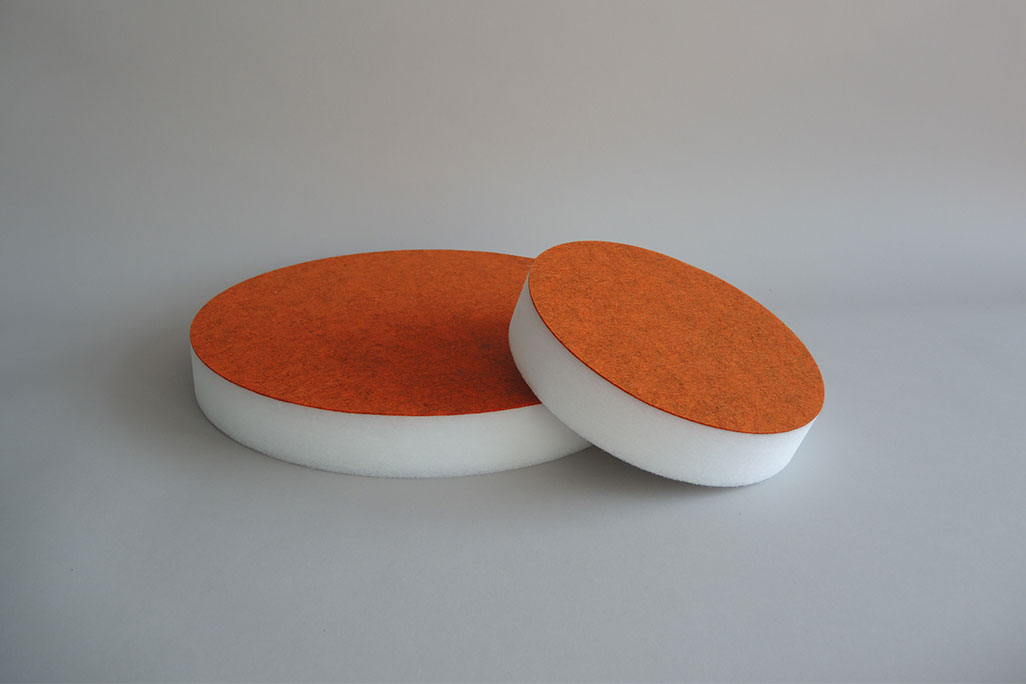
✔ Acoustic foam – ideal for living spaces, hobby rooms or home cinema areas
✔ Acoustic fleece – particularly effective at medium to high frequencies
✔ Multi-layer soundproofing panels – combine damping and sound insulation for maximum effect
These materials are not only suitable for professional use, but also for DIY projects and DIY soundproofing solutions..
Why is soundproofing important to you?
✔ A quieter everyday life: Less disruptive noise in living and hobby rooms
✔ A better indoor environment: Reduced reverberation, clearer conversations and a more pleasant acoustic experience
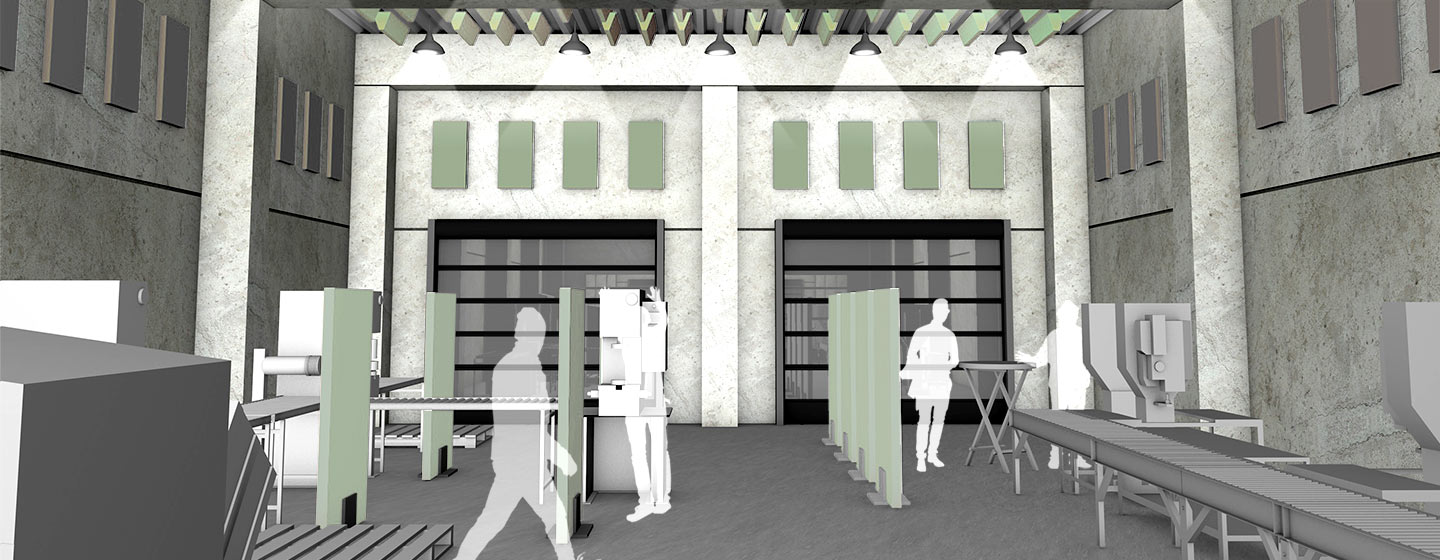
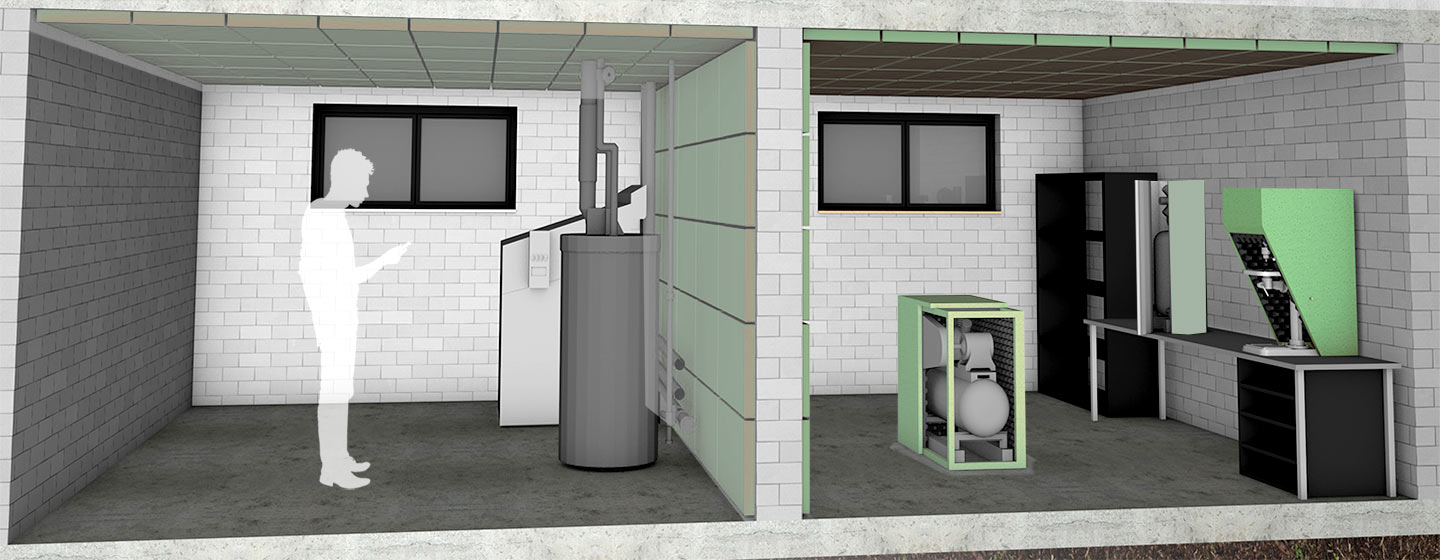
✔ Protection against vibrations: Particularly relevant for technical equipment or workshop noise
✔ Increased comfort in the home: Vmproved quality of life thanks to a quieter environment
✔ Simpler solutions for private individuals: Many soundproofing materials are easy to install yourself
Conclusion
Sound absorption is a key component of any effective soundproofing strategy – whether in the home, the workshop or for technical equipment. Through the targeted use of suitable materials, disruptive noise can be significantly reduced, living comfort enhanced and the room’s acoustics improved.
FAQ – Frequently asked questions about damping
What is the difference between damping and sound insulation?
Damping reduces sound and vibrations within a room or structure by absorbing sound energy.
Sound insulation on the other hand, prevents sound from being transmitted from one room to another. Both measures are often combined to achieve optimal soundproofing.
How can airborne sound be effectively dampened?
Airborne sound can be effectively dampened using open-cell foam and acoustic fleece. These materials absorb sound energy and convert it, thereby reducing the noise level in the room.
How can I improve sound absorption in my home?
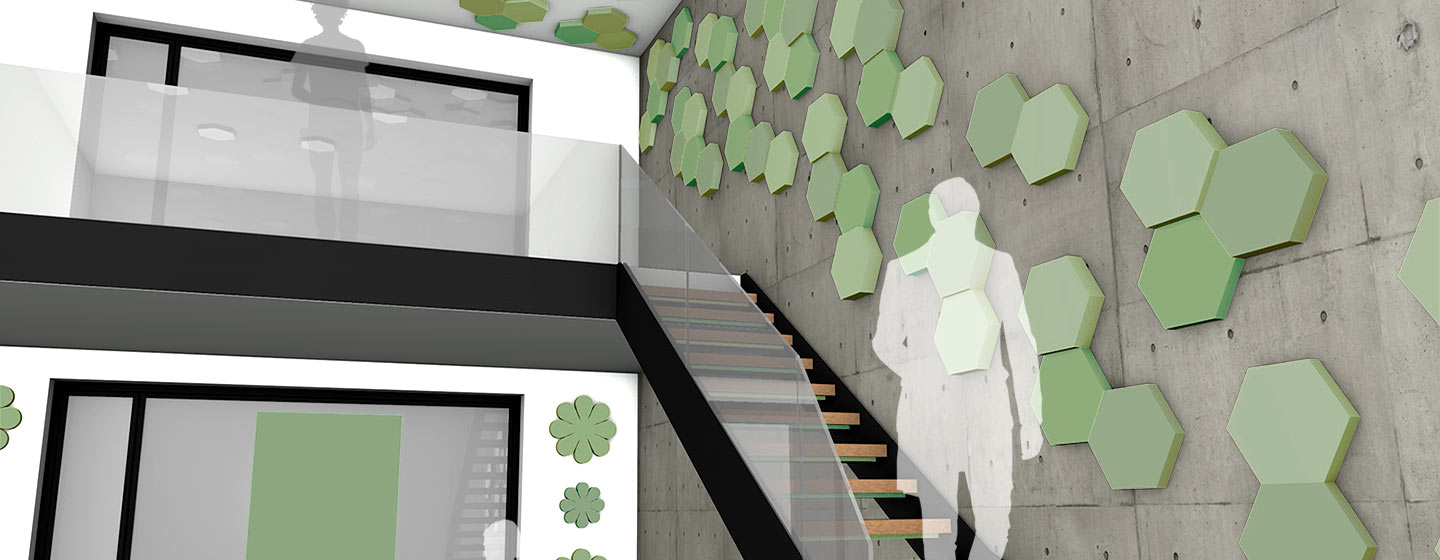
Using wall absorbers, ceiling panels, carpets, acoustic foam or curtains.
Why does a room echo without soundproofing?
Because hard surfaces (concrete, glass, tiles) reflect sound rather than absorbing it.
Can I install soundproofing myself?
Yes! Many of soniflex’s soundproofing materials are easy to install and are ideal for DIY projects – for example, to improve the room acoustics in the living room, bedroom or children’s room. You don’t need any special tools and they can often be installed with minimal effort.
Obsah: 0.5 m² (1 456,30 Kč* / 1 m²)
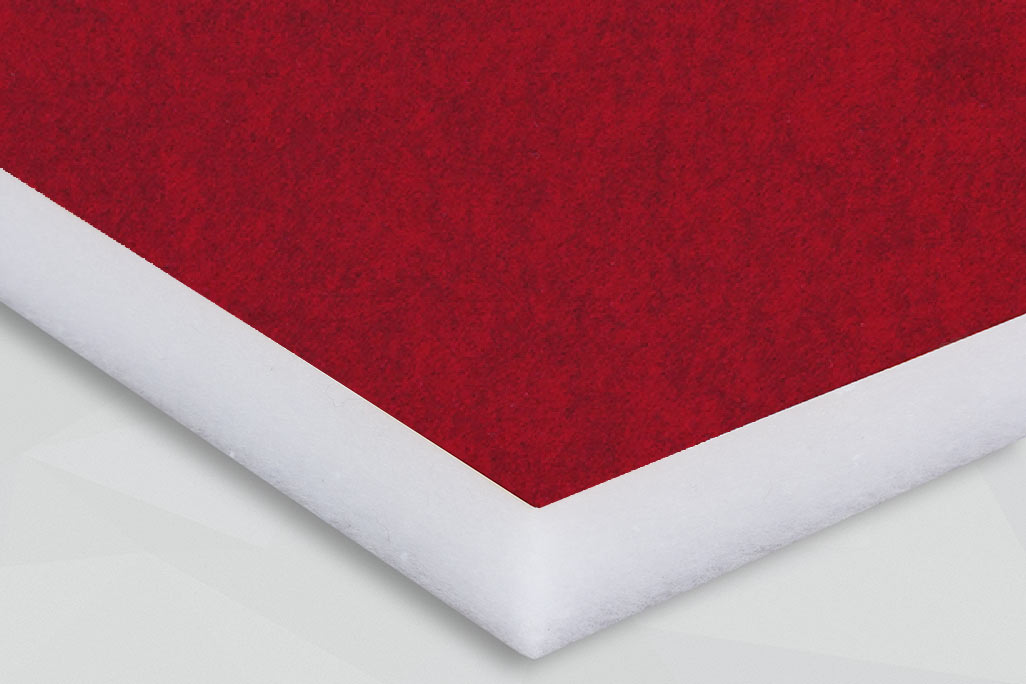
Obsah: 0.384 m² (2 414,06 Kč* / 1 m²)
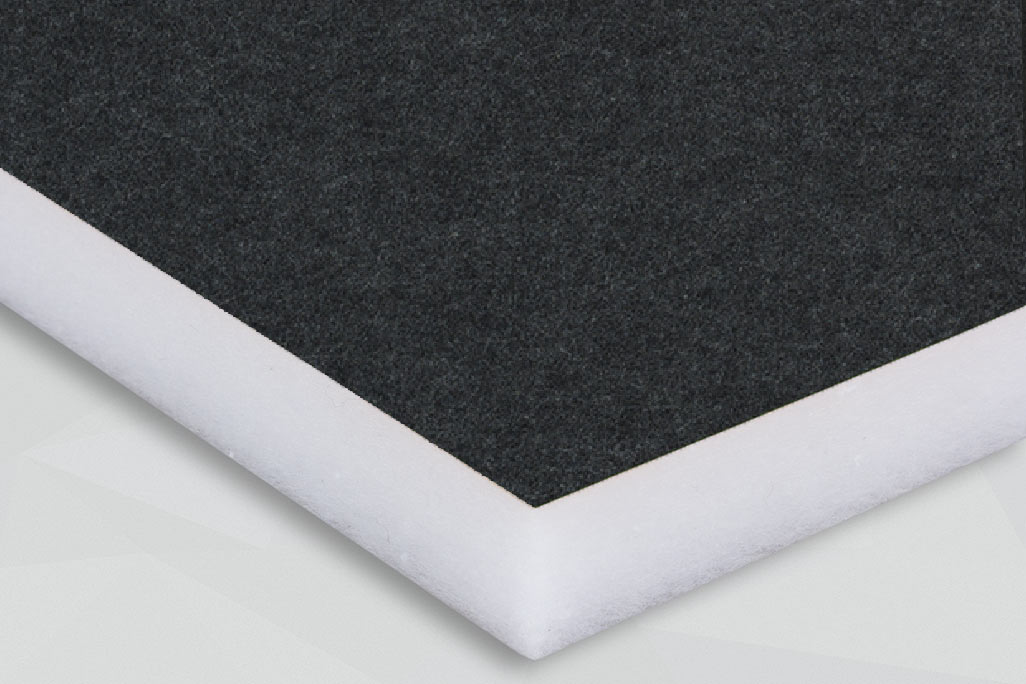
Obsah: 0.5 m² (2 306,00 Kč* / 1 m²)