



Noise
What is noise?
Noise is sound that is perceived as disruptive, unpleasant or distressing. Whether a sound is perceived as noise depends not only on its volume, but also on the individual’s circumstances. Whilst music may be relaxing for one person, it may be perceived as disruptive noise by a neighbour.
In everyday life, we encounter noise almost everywhere – from road traffic, household appliances, noisy neighbours, machinery or building work. Long-term exposure to noise can significantly reduce quality of life and have a negative impact on concentration, sleep and well-being.
How is noise produced?
Noise is produced when a sound source generates vibrations that propagate as sound waves. A basic distinction is made between two types of sound transmission:
• Airborne sound propagates through the air, for example through speech, music or traffic noise.
• Structure-borne sound is transmitted via solid building elements such as walls, ceilings, floors or machinery and can reappear as audible sound elsewhere.
Depending on the cause, different measures are required to effectively reduce the noise.
What types of noise are there?
There are various sources of noise in both domestic and commercial settings:
• Road and traffic noise
• Neighbourhood noise
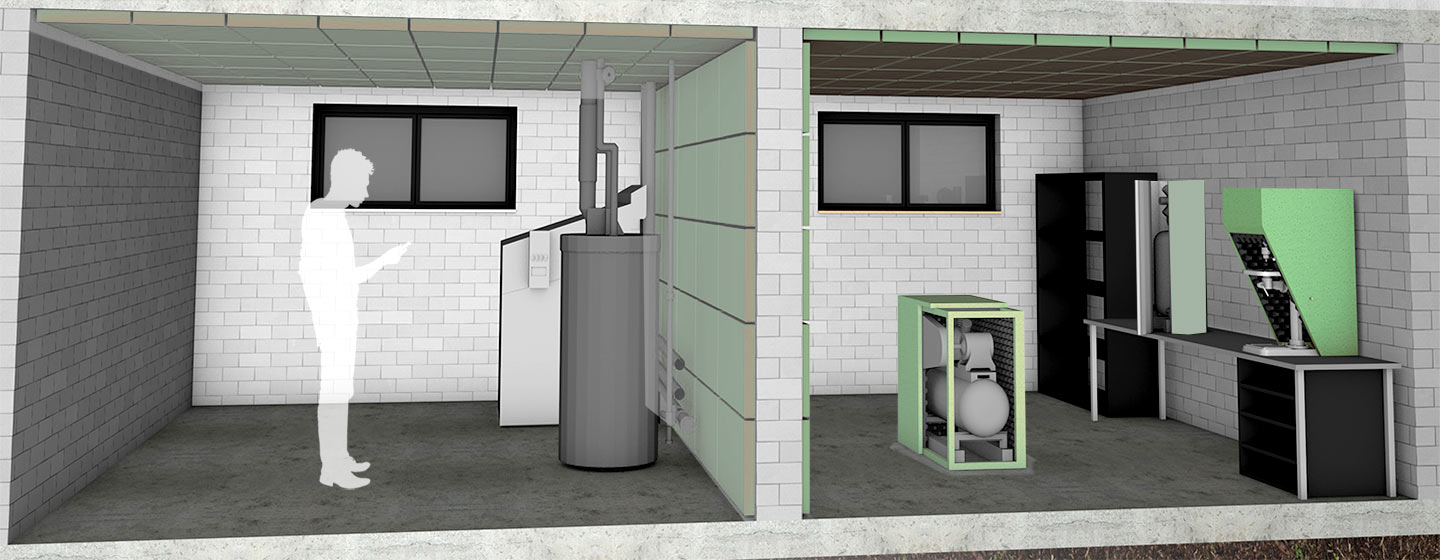
• Household appliances such as washing machines or heat pumps
• Music and home cinema systems
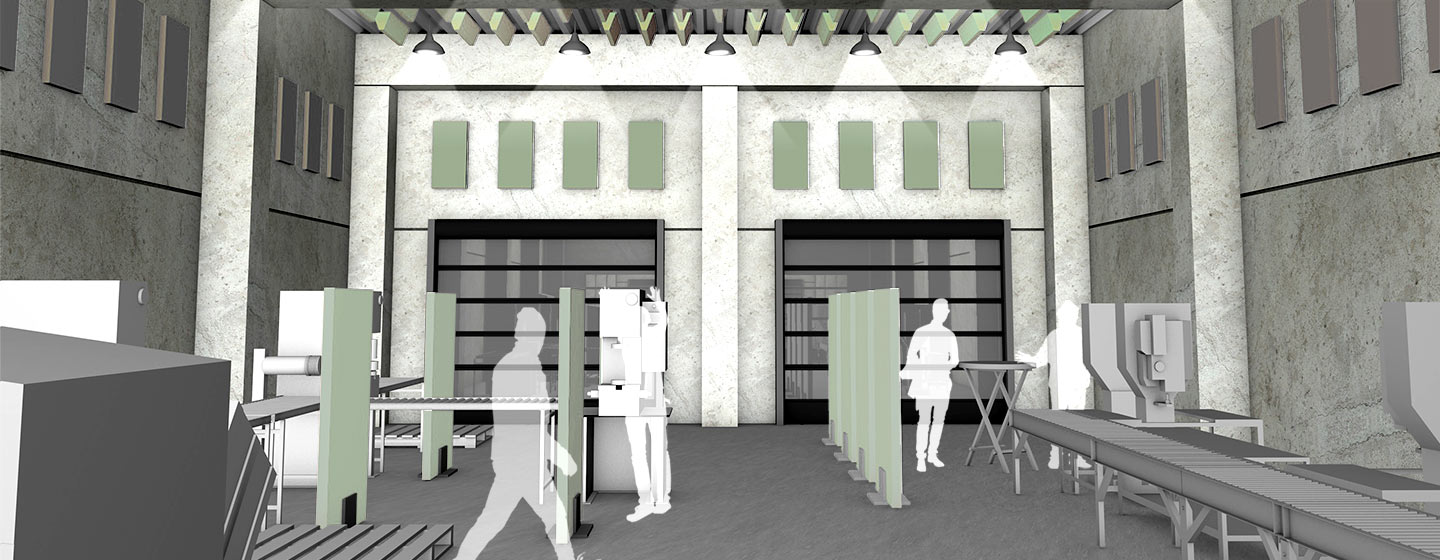
• Machinery and workshop noise
• Ventilation and air-conditioning systems
• Impact noise in flats
Each of these noise sources places different demands on sound insulation. Whilst sound absorbers often help in rooms with a lot of reverberation, sound-insulating structures are usually required to block out noise from neighbouring rooms.
What are the effects of noise?
Long-term exposure to noise can have a significant impact on daily life. Even moderate noise levels can cause stress and reduce the ability to concentrate. Particularly in living spaces or at work, a high background noise level often has a negative effect on well-being.
Possible consequences include:
• Difficulty concentrating
• Sleep disturbances
• Increased stress levels
• Reduced performance
• Potential long-term hearing damage at very high sound levels
How can noise be reduced?
The most appropriate solution depends on where the noise originates and how it propagates.
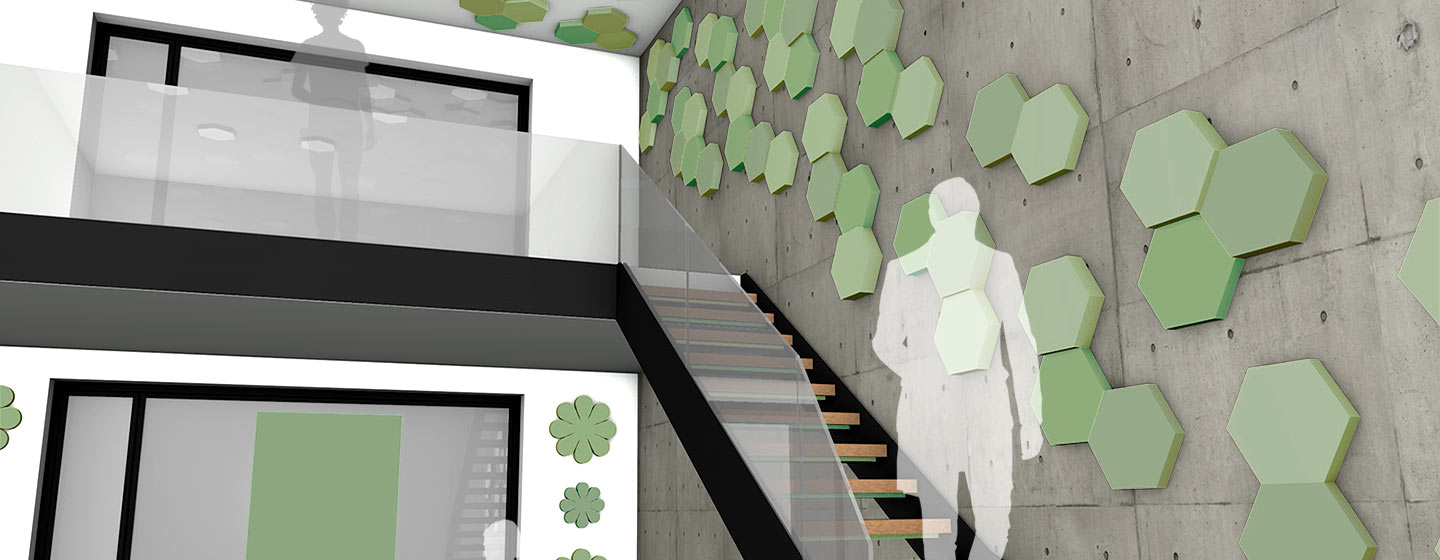
Acoustic foam or other sound-absorbing materials, for example, are suitable for improving room acoustics. They reduce reverberation and create a more pleasant acoustic environment.
If, on the other hand, the aim is to prevent sound from penetrating walls, ceilings or enclosures, sound-insulating materials such as heavy-gauge foils or multi-layered insulation systems are used.
In many cases, a combination of sound absorption and sound insulation yields the best results.
Noise in the home
Disturbing noises are among the most common problems, particularly in flats and detached houses.
Typical examples include:
• Conversations or music from a neighbour’s flat
• Road traffic
• Heat pumps
• Washing machines and tumble dryers
• DIY work
• Echoes in large living rooms or home offices
With the right soundproofing solutions, many of these noises can be significantly reduced, noticeably improving living comfort.
Conclusion
Noise is part of everyday life for many people and can significantly impair quality of life. Whether it’s traffic noise, noisy neighbours, machinery or echoing rooms with the right combination of sound insulation and sound absorption, many noise problems can be effectively reduced..
If you know the source of the noise, you can select the appropriate soundproofing solution and ensure greater peace and quiet and improved living comfort in the long term.
Frequently asked questions about noise
What is the difference between sound and noise?
A sound absorber reduces reverberation and room reflections by absorbing sound. Sound insulation, on the other hand, prevents sound from travelling from one room to another – for example, between two rooms.
At what point does sound become noise?
This varies from person to person. As well as volume, the time of day, duration and personal perception also play an important role.
Can noise be completely eliminated?
In most cases, it is not possible to achieve complete silence. However, noise levels can often be significantly reduced with suitable soundproofing measures.
Do acoustic foams help against noise?
Acoustic foam primarily improves room acoustics and reduces reverberation. If sound transmission through walls or ceilings is to be reduced, additional sound insulation measures are required (e.g. a cladding panel)
Which materials are suitable for noise reduction?
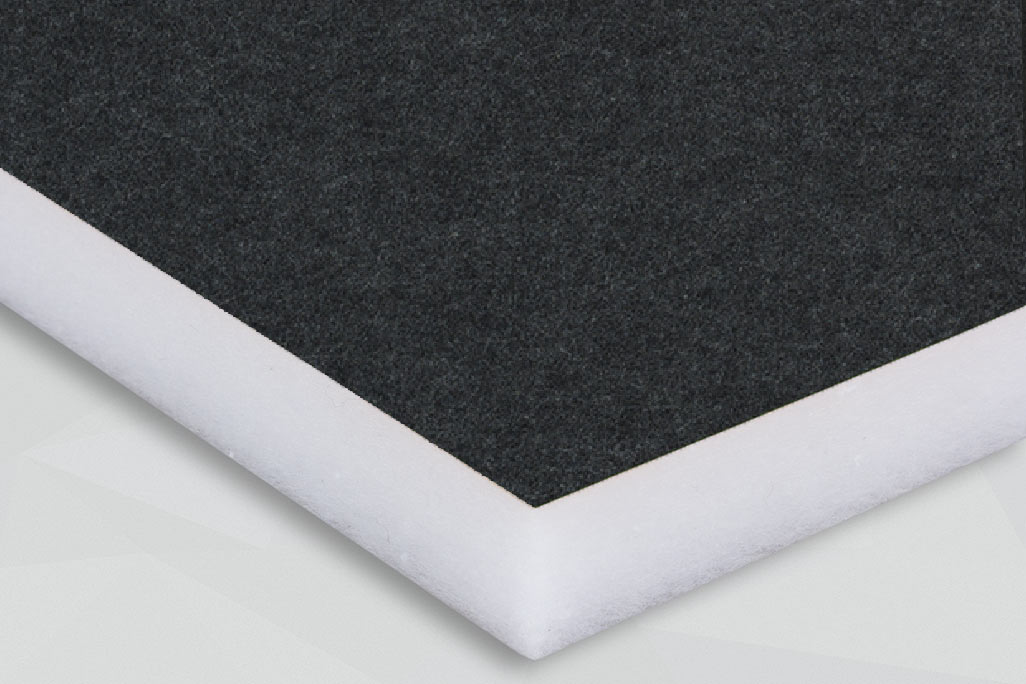
Depending on the application, materials such as acoustic foam, heavy-duty foils, acoustic fleece or decoupled wall and ceiling constructions may be used.
How do I find the right soundproofing solution?
Firstly, the source of the noise should be identified. Is it airborne noise, structure-borne noise or disruptive reverberation? Only then can the appropriate soundproofing material be selected.
Obsah: 0.5 m² (2 306,00 Kč* / 1 m²)
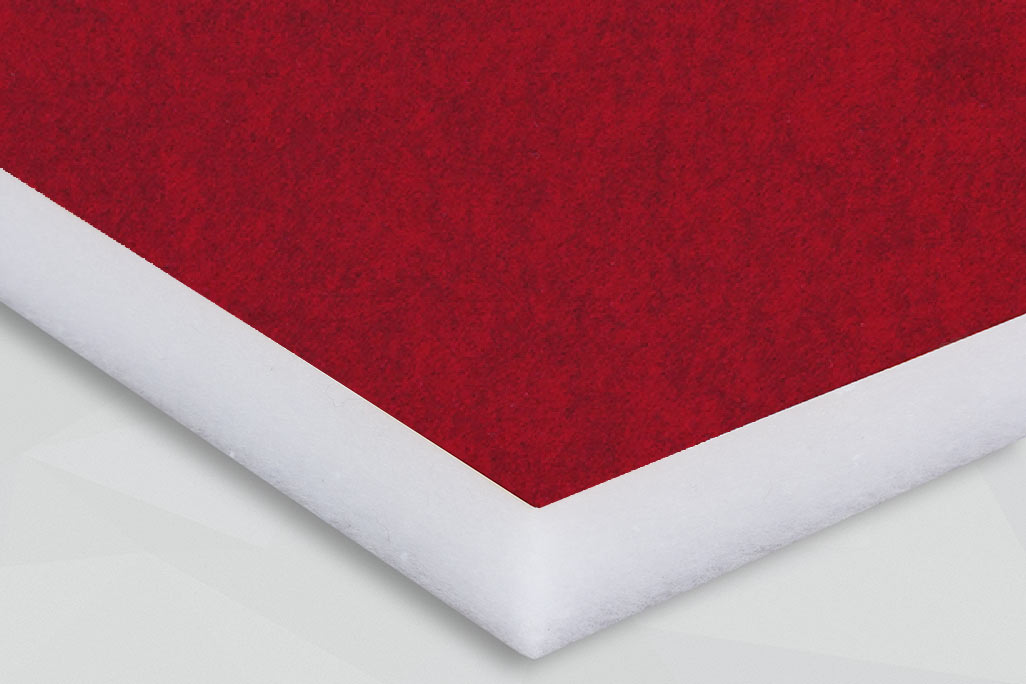
Obsah: 0.384 m² (2 414,06 Kč* / 1 m²)
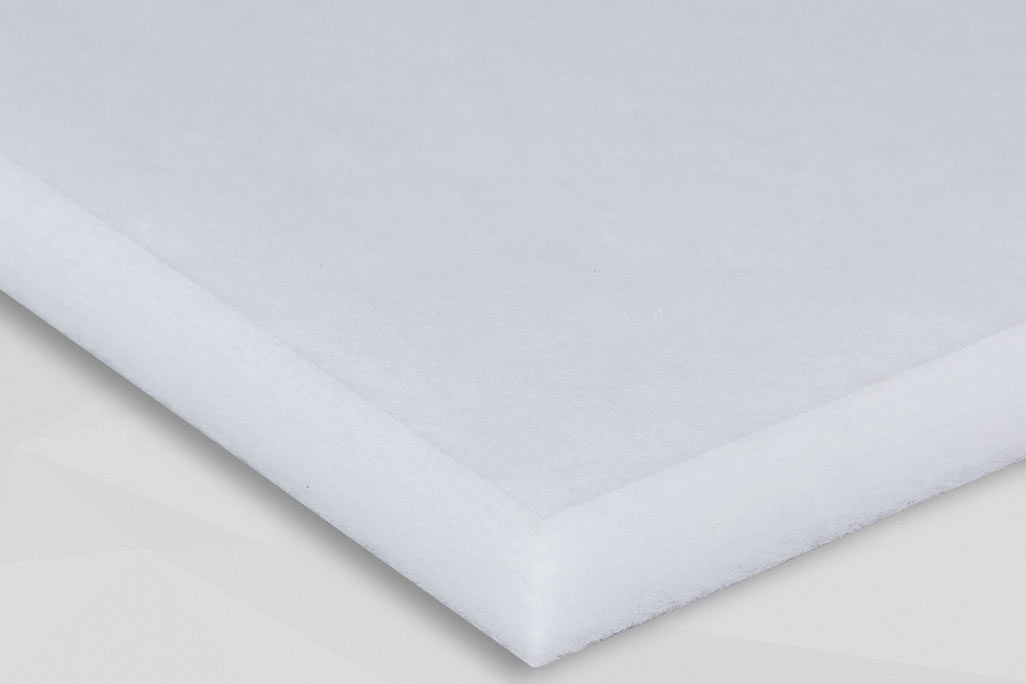
Obsah: 0.5 m² (871,56 Kč* / 1 m²)
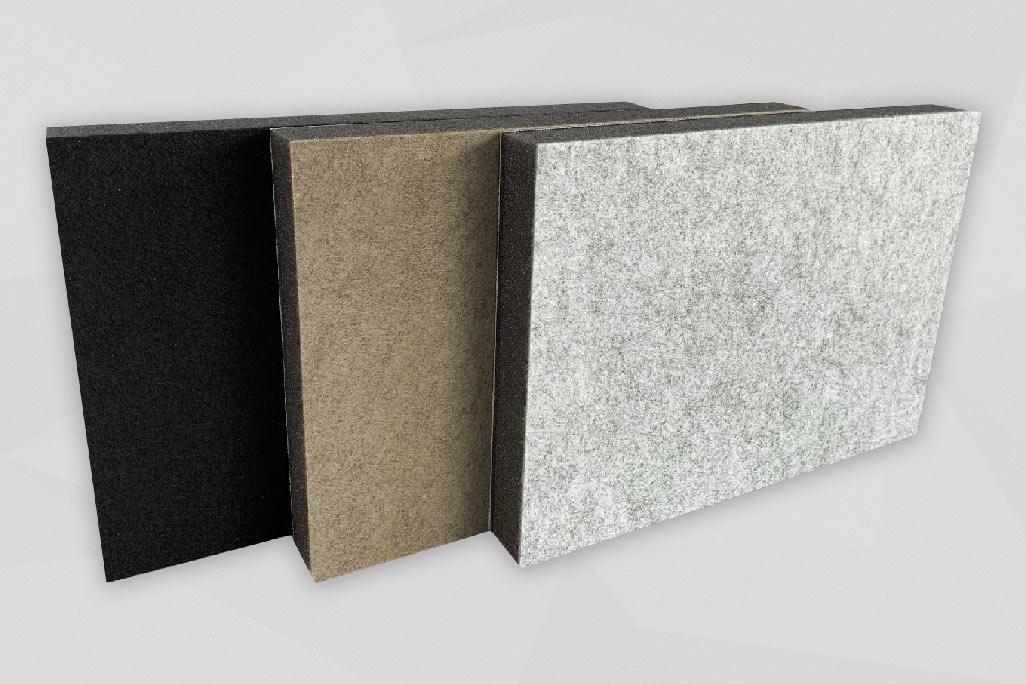
Obsah: 0.5 m² (1 455,84 Kč* / 1 m²)
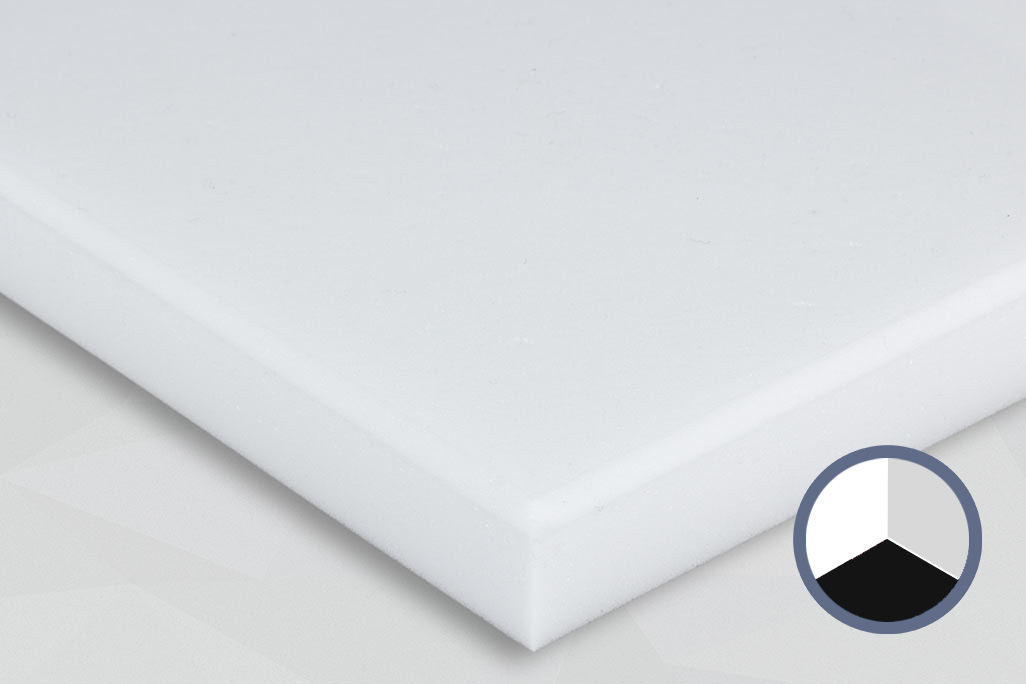
Obsah: 0.5 m² (0,00 Kč* / 1 m²)